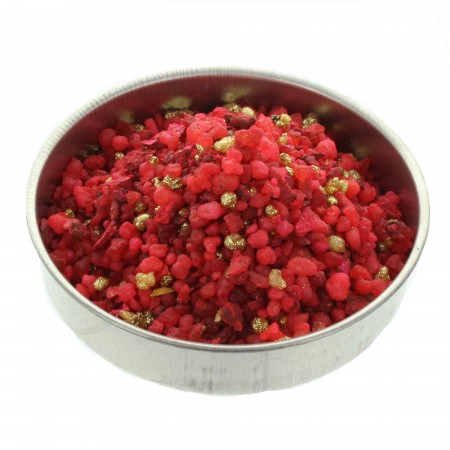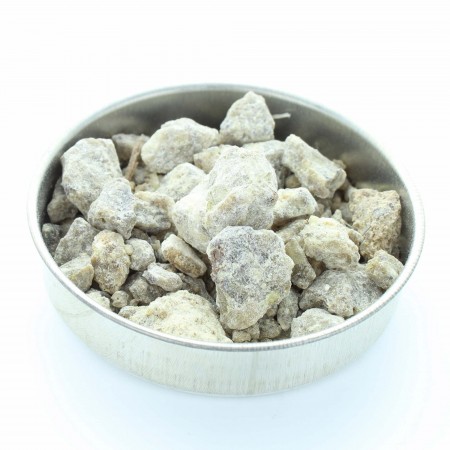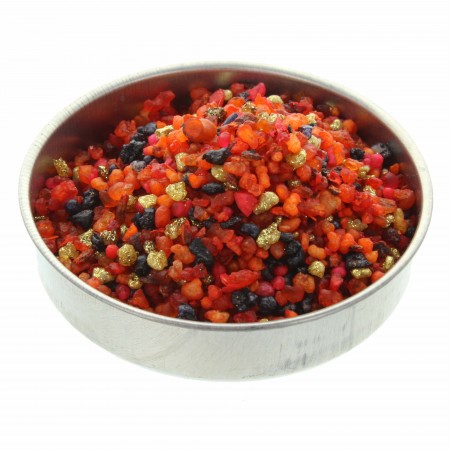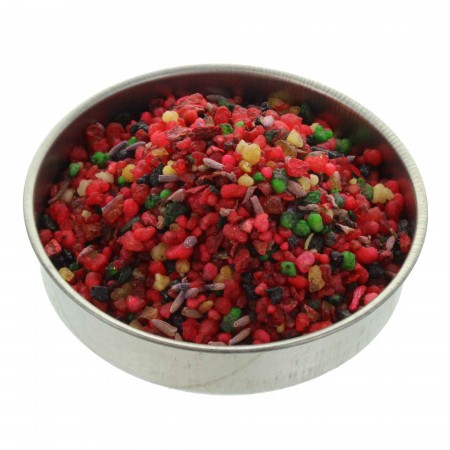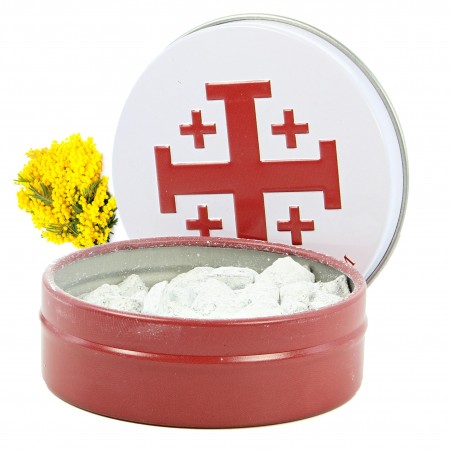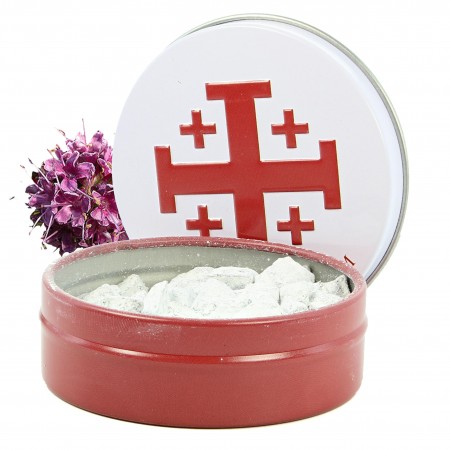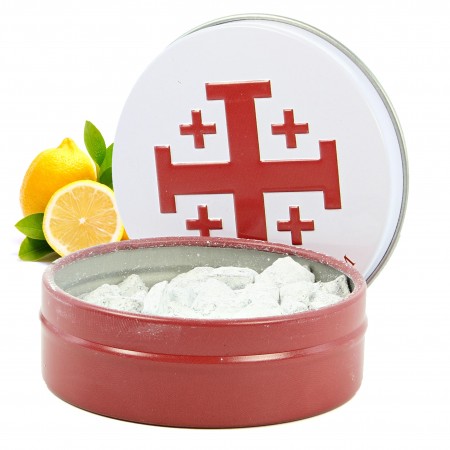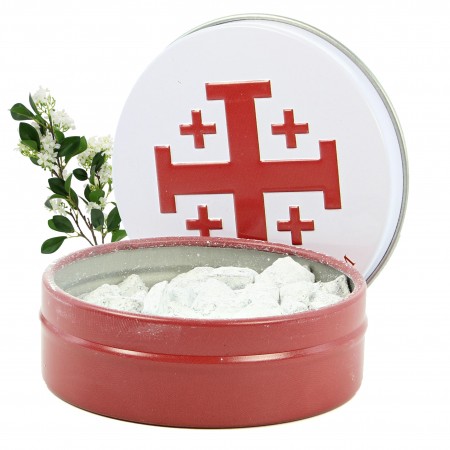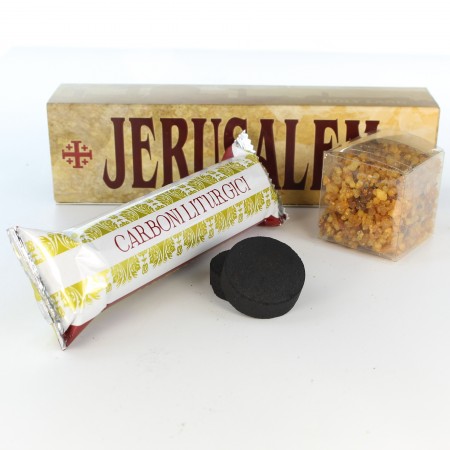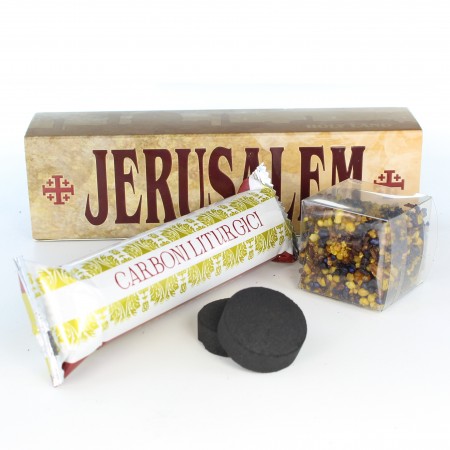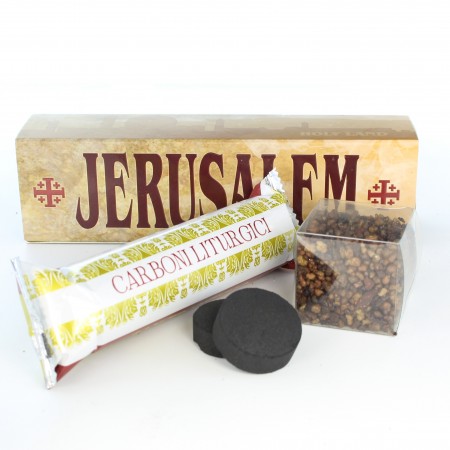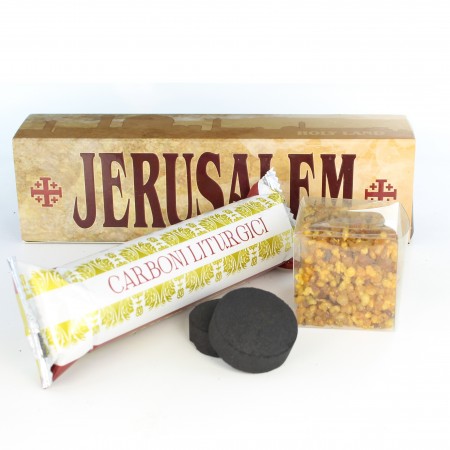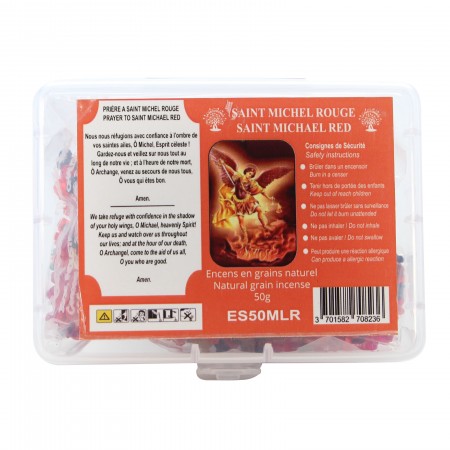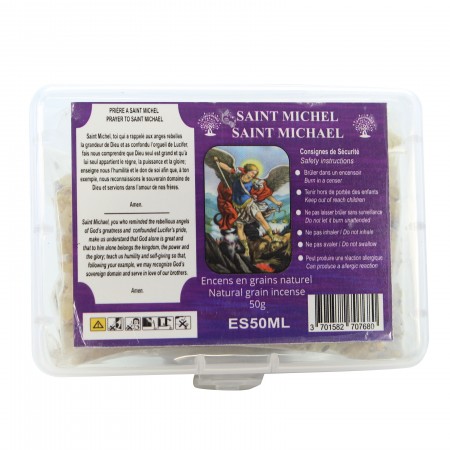
Incense grains
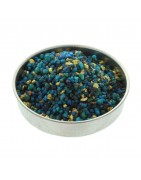
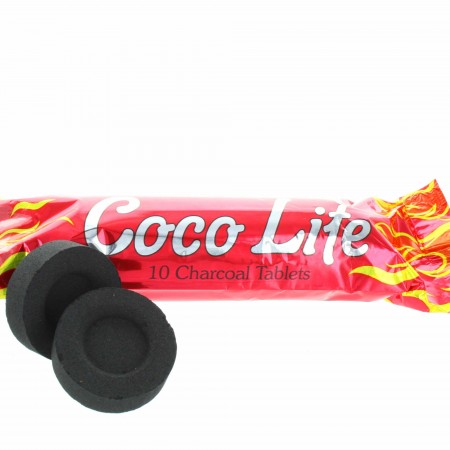
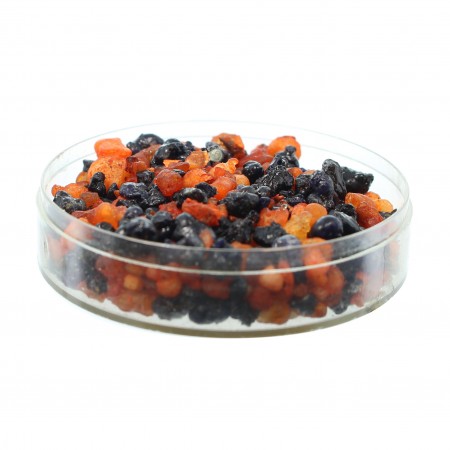
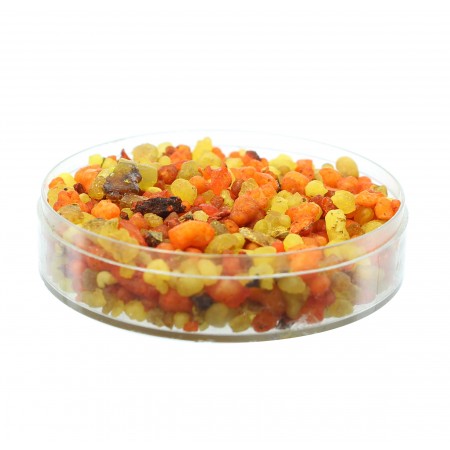
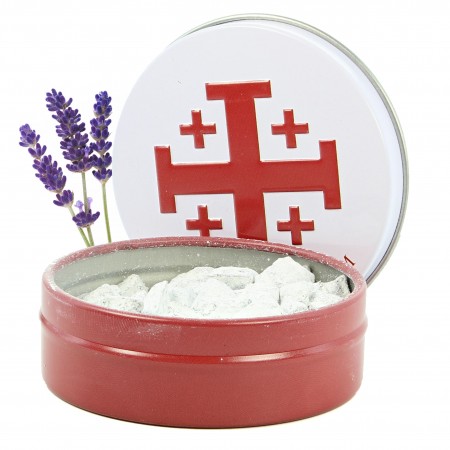
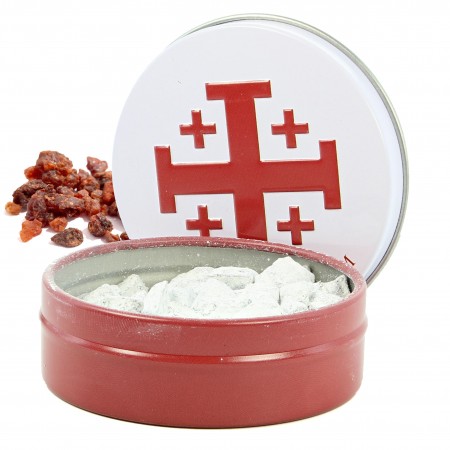
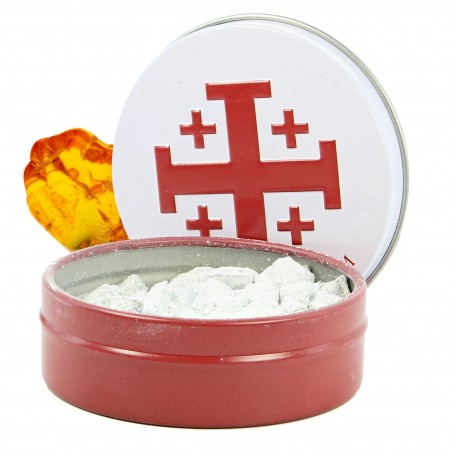
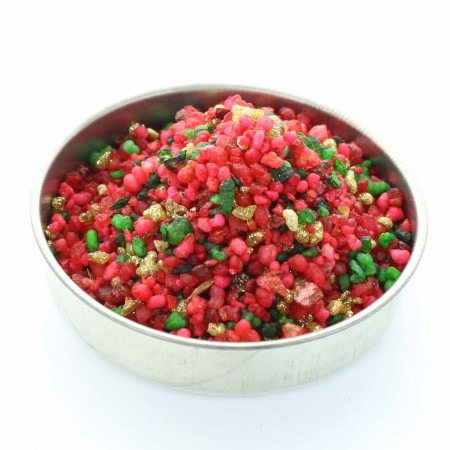
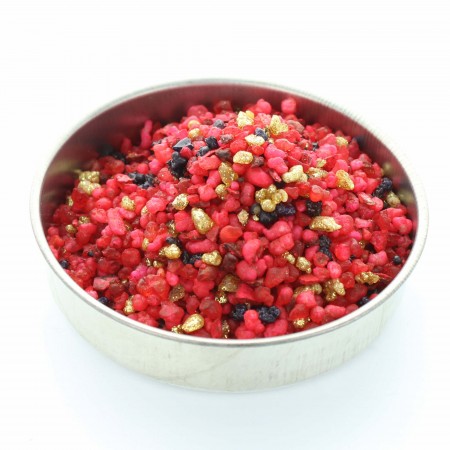
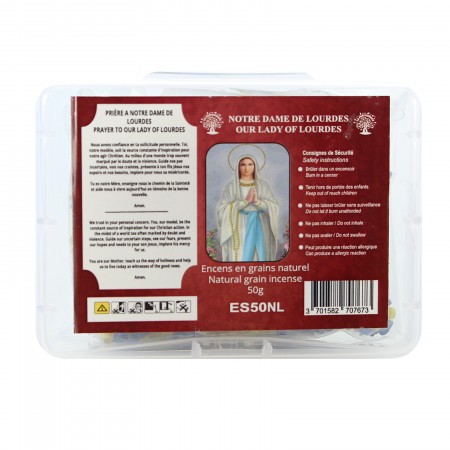
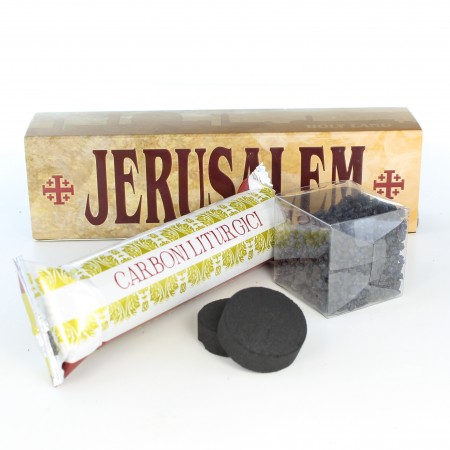
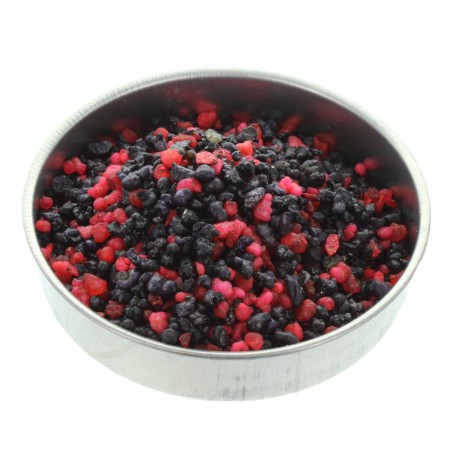
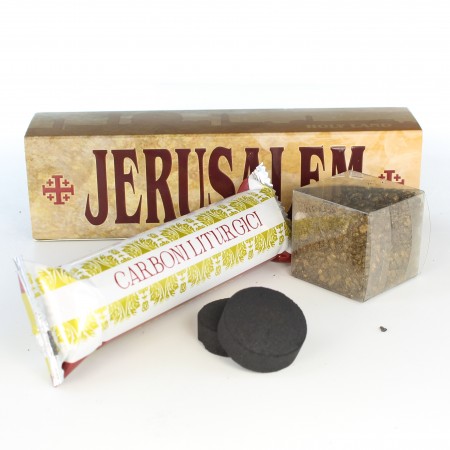
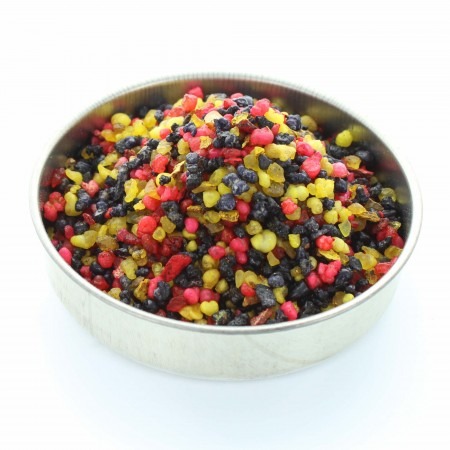
Religious incense grains provide a traditional form of Christian incense designed to be burned on hot charcoal. Frankincense, myrrh, benzoin and different scented blends can accompany prayer and quiet reflection at home. A censer provides a suitable vessel for burning them, while incense sticks offer an easier-to-light alternative.
Incense grains and Christian tradition
Incense grains are close to the traditional form of incense used in churches. Placed on glowing charcoal, the resin gradually releases fragrant smoke that accompanies liturgical celebrations and symbolically represents prayer rising towards God.
At home, incense can also accompany prayer or quiet reflection. Its fragrance and smoke help mark the occasion without possessing any particular spiritual power in themselves.
Frankincense, myrrh and benzoin
Frankincense is one of the resins most strongly associated with Christian tradition and church incense. When placed on hot charcoal, it produces its characteristic fragrant smoke. Myrrh generally provides a deeper fragrance, while benzoin tends to offer softer notes.
These resins may be burned individually or included in scented blends. The FAQ on this page explains the principal types of incense grains in greater detail.
Incense grains or incense sticks?
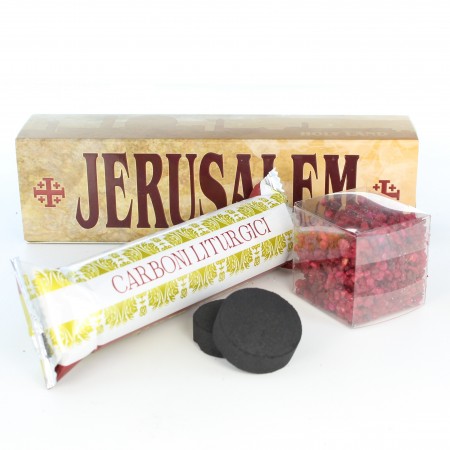
Both forms release fragrance but are used differently. Incense sticks can be lit directly, while incense grains require glowing charcoal.
Grain incense is therefore closer to the traditional use of incense in churches, although it requires additional equipment and careful handling.
Which censer should be used for incense grains?
The container needs to be stable and capable of withstanding the heat produced by charcoal. A religious censer is designed specifically for this purpose.
Our guide also explains how to use a thurible and its meaning within Christian tradition.
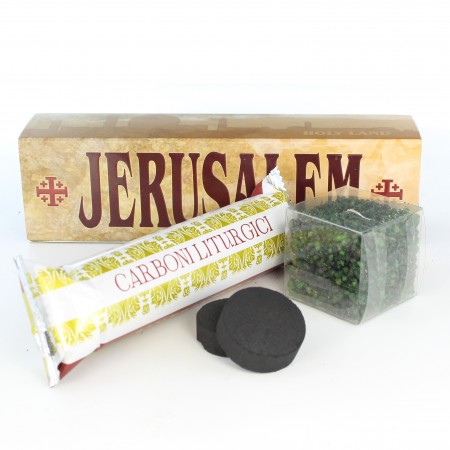
Incense smoke as a symbol of prayer
Within the Bible and Christian liturgy, incense has strong symbolic meaning. Rising smoke is notably used as an image of prayer ascending towards God, which helps explain its longstanding presence in Christian worship.
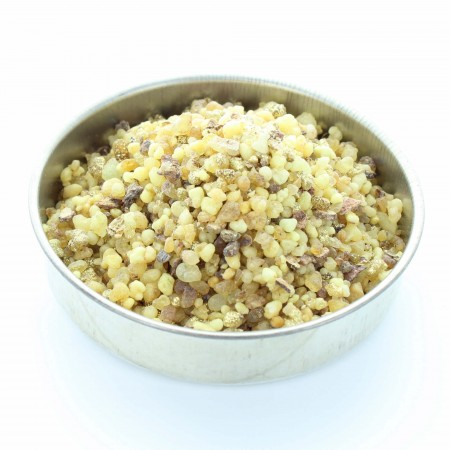
The same symbolism can accompany prayer at home. Our article on Christian use of incense in the home explores this subject further.