
ROSARIES
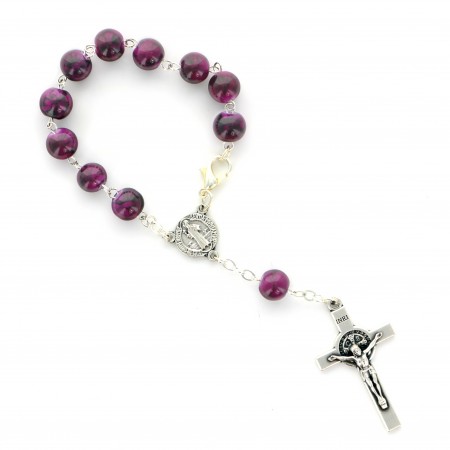
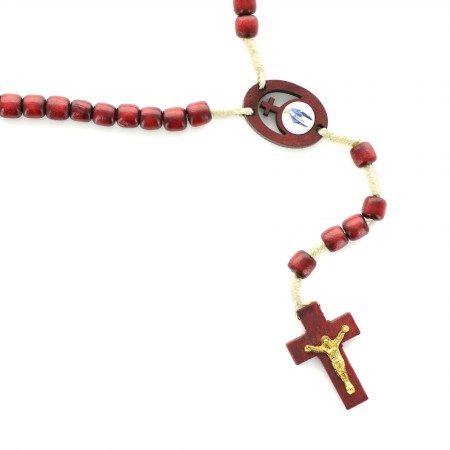
Palais du Rosaire, the online Lourdes store, offers a wide selection of traditional and original rosaries, directly shipped from our shops in Lourdes. In this section, you will find rosaries made with different materials: Silver, Gold-Plated, Gold, Cord, Wood, Crystal Rosaries among many others. True items of devotion of the Catholic religion, rosaries will guide your prayers. The first rosary would have appeared in the hands of Saint Dominic, who received a rosary, symbol of the crowns of roses given to Our Lady. Pray the rosary would therefore be like offering roses to Our Lady. Praying the rosary would therefore be like offering roses to the Virgin Mary. We are your reference for the purchase and sale of traditional and original prayer rosaries.
ROSARIES, Subcategories
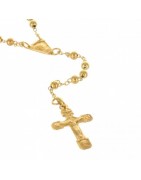
Precious Rosary
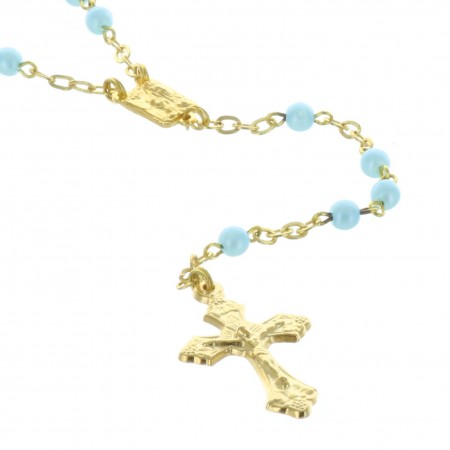
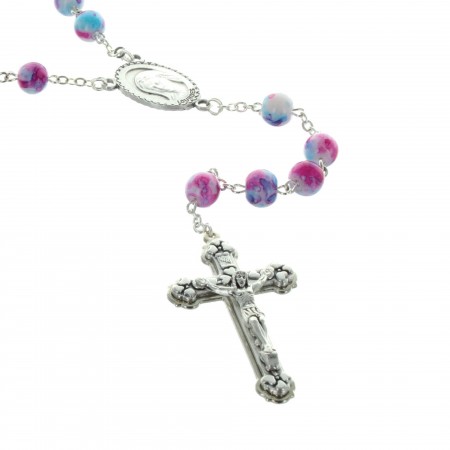
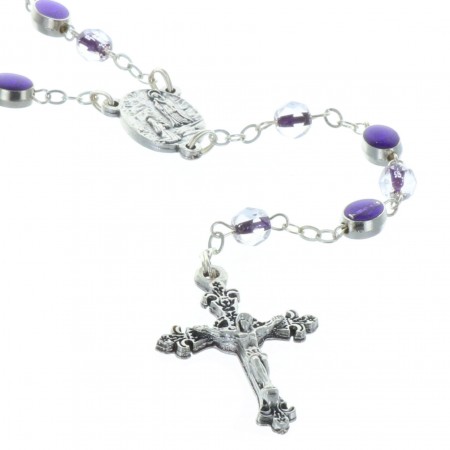
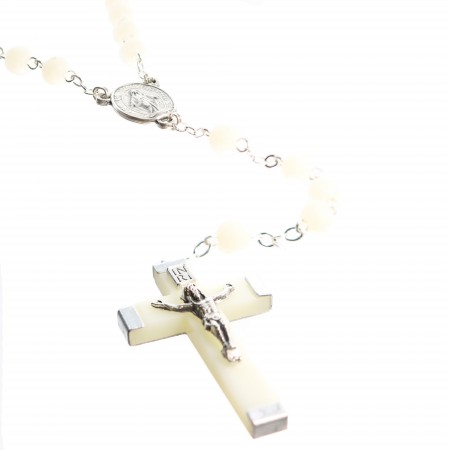
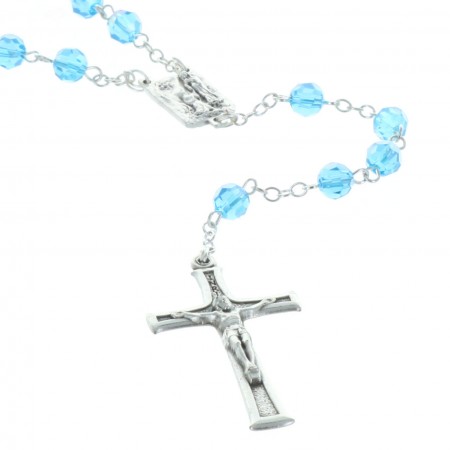
Discover our elite collection of precious rosaries, a refined selection for devotees seeking to combine their faith with the exclusivity and sparkle of the finest materials. Our range of precious rosaries includes finely crafted pieces in pure silver, gold-plated, solid gold, delicate mother-of-pearl and sparkling crystal, offering a variety of choices to satisfy your desire for sophistication and spirituality. Each rosary is designed with meticulous attention to detail, ensuring not only outward beauty but also long-term durability to accompany your prayers and meditations.
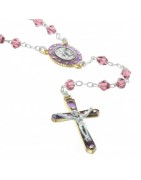
Original Rosary
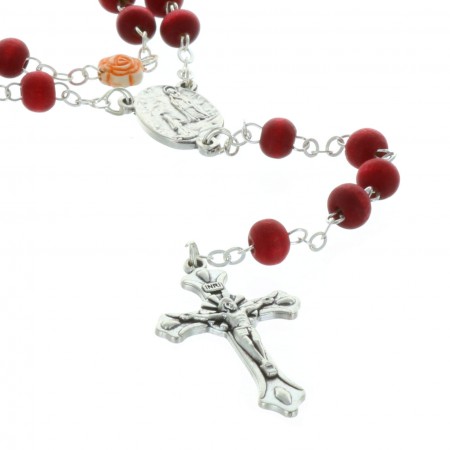
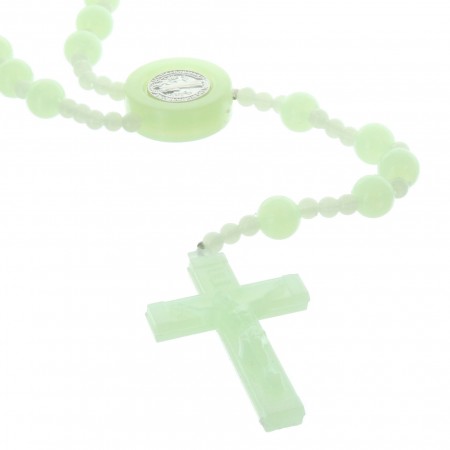
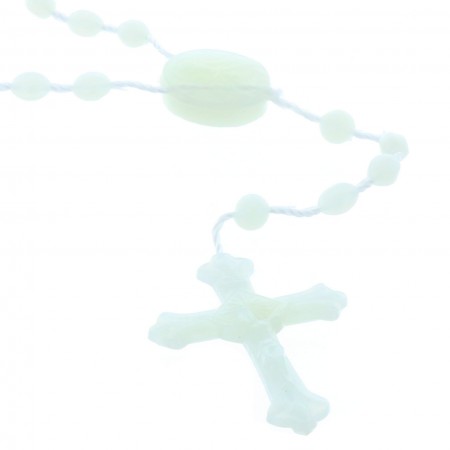
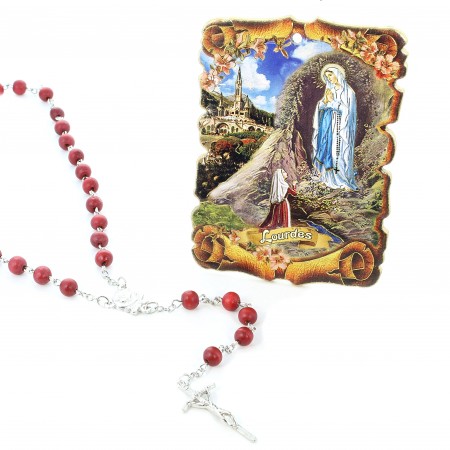
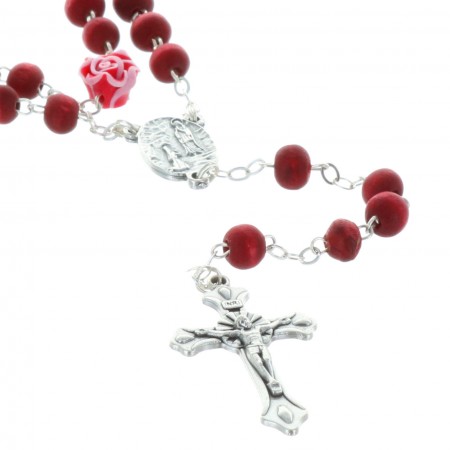
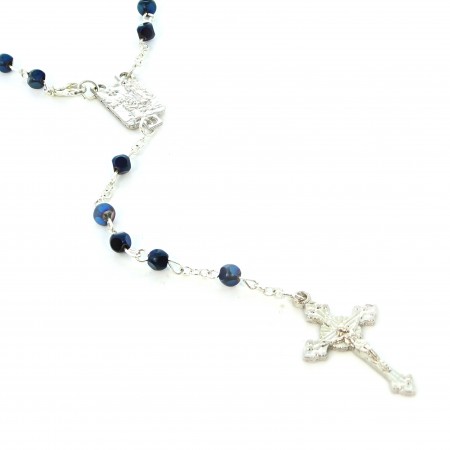
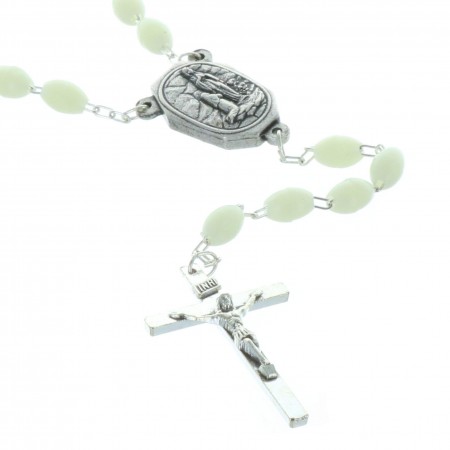
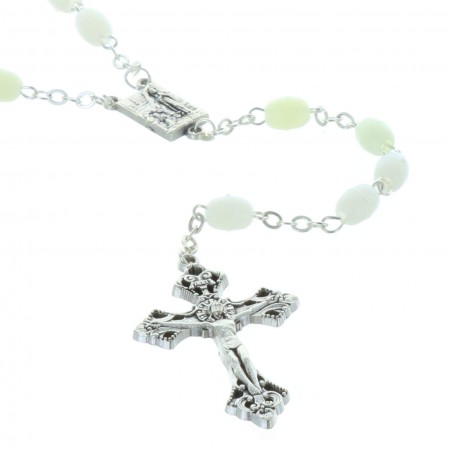
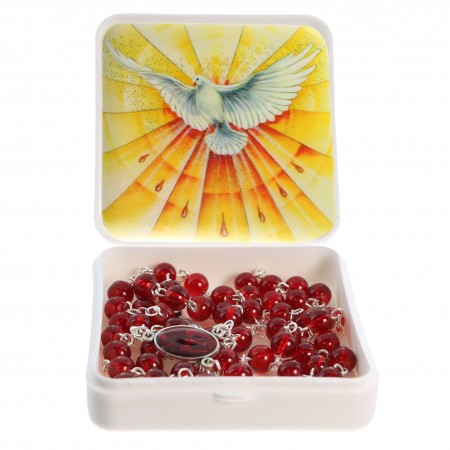
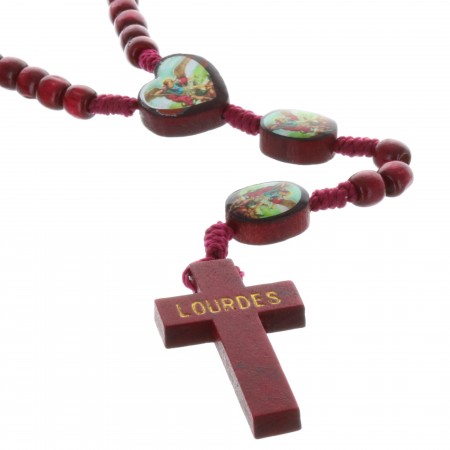
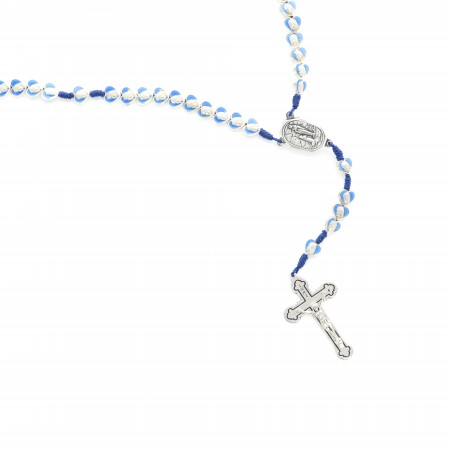
Palais du Rosaire offers original rosaries for all tastes. Find our Lourdes rosaries made of genuine mother-of-pearl, crystal or hematite as well as rosaries with Lourdes Water coming directly from the spring of the Grotto. Besides, discover our rose-scented or even glow-in-the-dark rosaries. Share your catholic devotion with these original rosaries of Lourdes. Our online store of Lourdes catholic gifts offers you its original rosaries to guide you in your prayers. These outstanding rosaries will seduce you for sure, and your relatives as well.
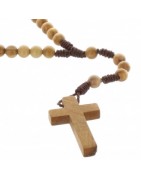
Traditional Rosary
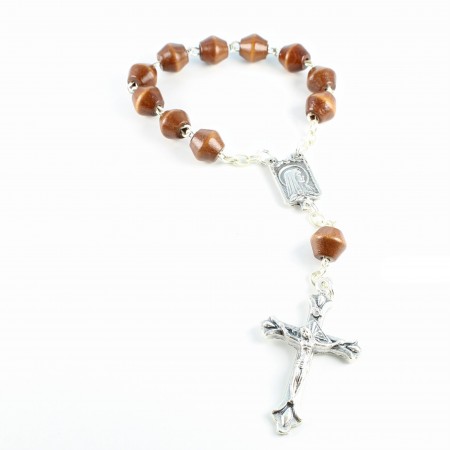
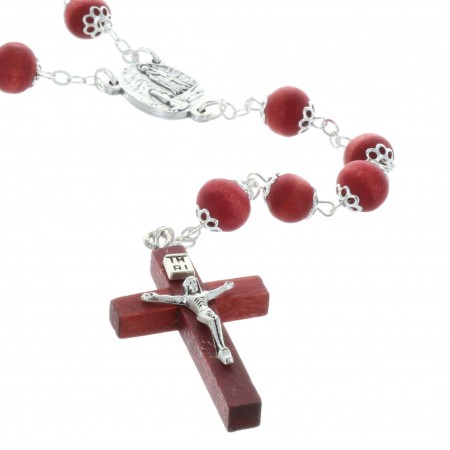
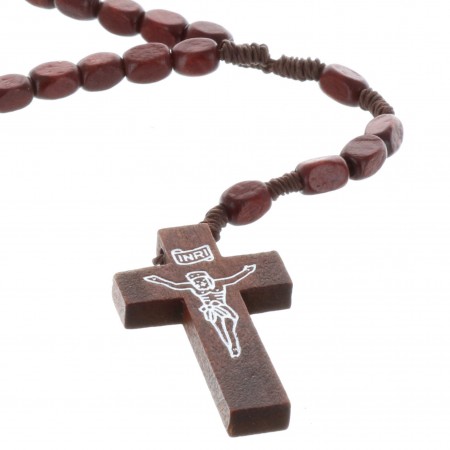
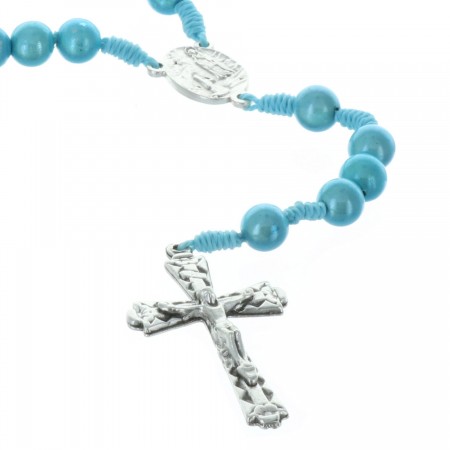
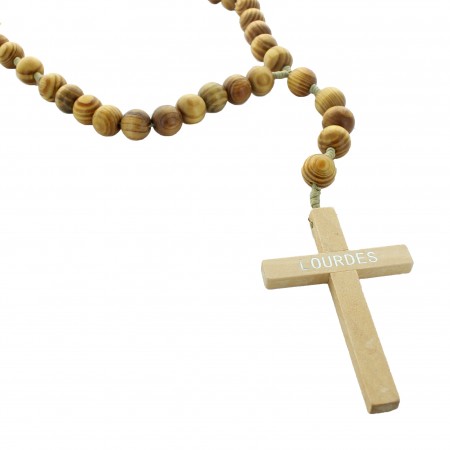
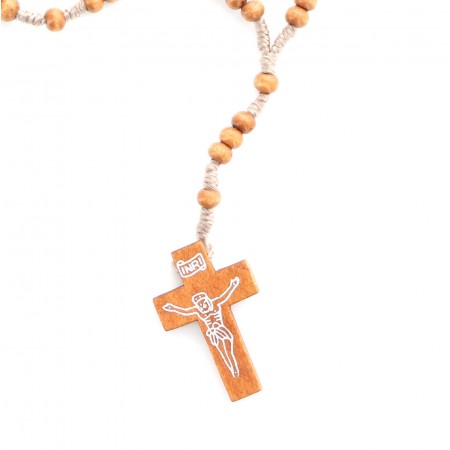
Discover our online religious goods shop and explore our wide selection of traditional Lourdes rosaries. We offer a variety of rosaries in materials such as Gold, Gold Plated, Silver, Wood, Rope and Glass. The rosary is an important symbol of devotion in the Christian religion and we offer a high quality selection shipped directly from our shops in Lourdes. Accompany your prayers with these traditional rosaries and find the largest selection of Lourdes rosaries at our online religious shop. Buy now to strengthen your spirituality and faith.
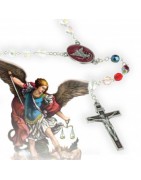
Patron Saint Rosary
Find here all kind of rosaries of devotion. These christian gifts are classified by Saints or religious specificity. These unique rosaries will allow you to say specific prayers such as the precious blood of Jesus, the souls in Purgatory or the battle rosary. Invoke the Saints and their precious help. Always shipped from our christian giftstore in Lourdes,our devotion rosaries will be a precious prayer companion and a protection.
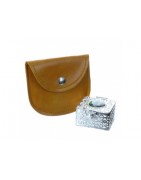
Rosary case and box
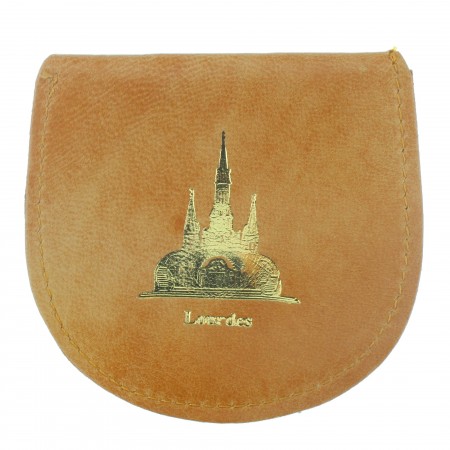
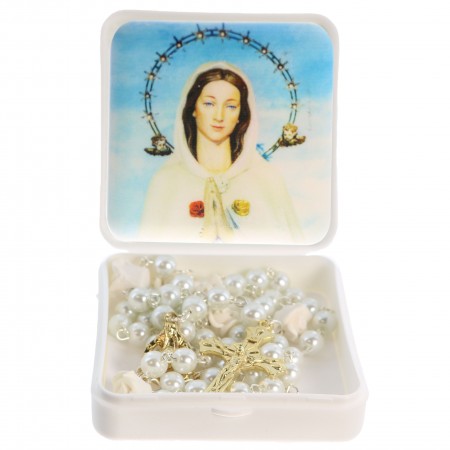
Your rosary is precious to you and should be carried in a case or a box to be protected? Carry your rosary thanks to our boxes and cases decorated with the emblematic places and symbols of Lourdes. These rosary boxes and cases are available in different sizes, different colours and different materials to suit every taste. Palais du Rosaire, the online store of catholic gifts, offers you to protect and carry your rosaries with ease during all your travels. Order these charming rosary cases and boxes online.
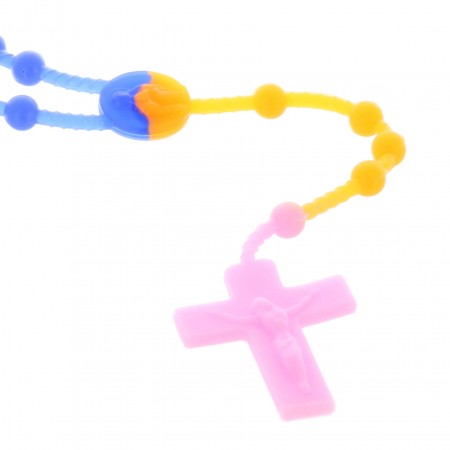
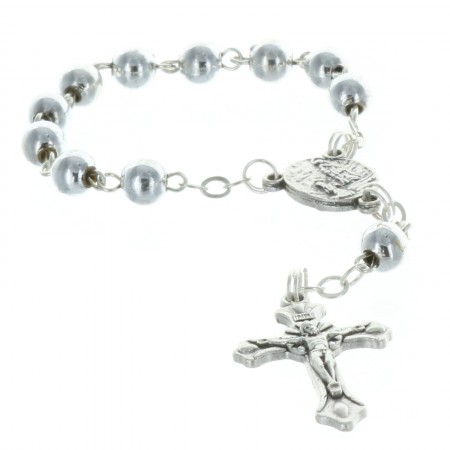
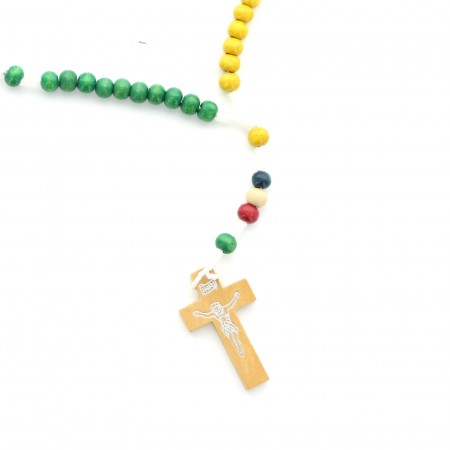
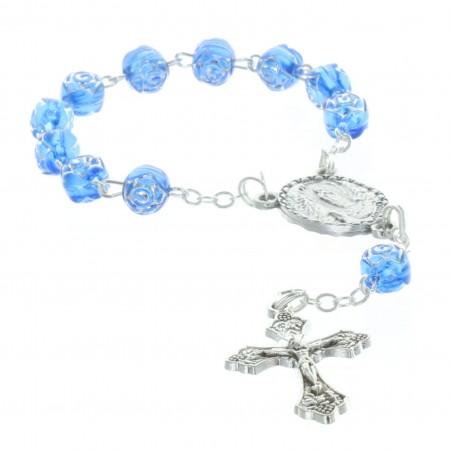
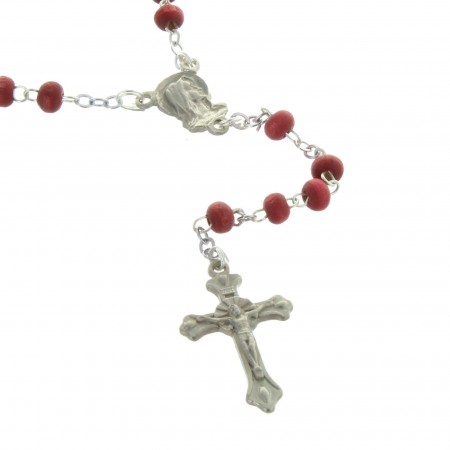
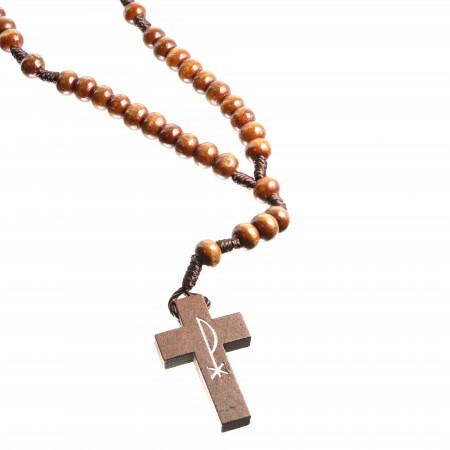

What does the rosary mean?
The rosary, beyond its material aspect, is a powerful symbol of faith and devotion in the Catholic tradition. Each bead represents a prayer, guiding the faithful in their meditation on the great mysteries of the Christian faith: joyful, luminous, sorrowful, and glorious. These meditations reflect key moments in the lives of Jesus Christ and the Virgin Mary, offering believers a path to deeper spiritual understanding and a personal connection with the divine.
Why buy a Rosary
Buying a rosary goes beyond acquiring a simple religious object; it is embracing a prayer tool that has spanned the centuries, enriching the spiritual lives of millions of believers. It's an invitation to take part in a tradition of meditation and prayer that sustains faith, offers comfort in difficult times, and helps maintain a daily spiritual discipline. To choose a rosary is to choose a companion on a journey of faith, a support in the quest for inner peace and spiritual growth. Discover our special selections of gold-plated rosaries, silver rosaries, and children's rosaries.
When to give a rosary?
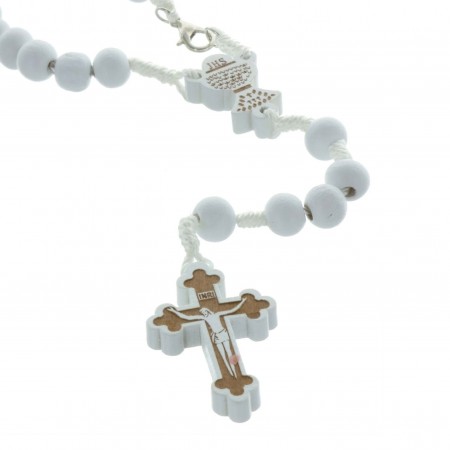
Offering a rosary is a deeply meaningful gesture for many spiritual occasions and moments of transition in Catholic life. It can be a welcome gift at a baptism, marking the beginning of a person's journey of faith. At First Communion or Confirmation, it symbolises a deepening of that commitment. A rosary can also be offered as a sign of support during times of bereavement or illness, as a reminder of God's constant presence and the community of prayer that surrounds the person in need. For those special moments, consider our communion rosary.
How to use a rosary?
To use a rosary, begin by opening with the sign of the cross, an act that sanctifies the time and space for prayer. The believer then recites the Apostles' Creed, affirming their faith. This is followed by an Our Father, three Hail Marys in honour of the three theological virtues (faith, hope and charity), and a Glory be to the Father. The main structure consists of meditating on the five mysteries, specific to the day of prayer, each introduced by an Our Father, followed by ten Hail Marys and concluded by the Glory be to the Father and the Fatima prayer. This rhythm of prayer facilitates deep meditation and contemplation of the central aspects of the Christian faith.
In what materials do rosaries exist?
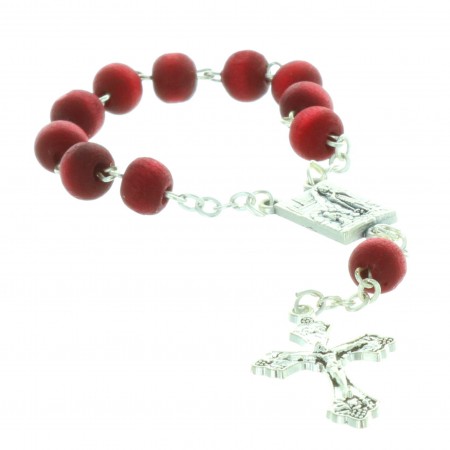
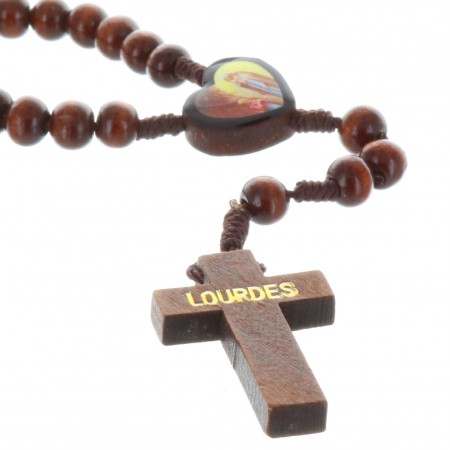
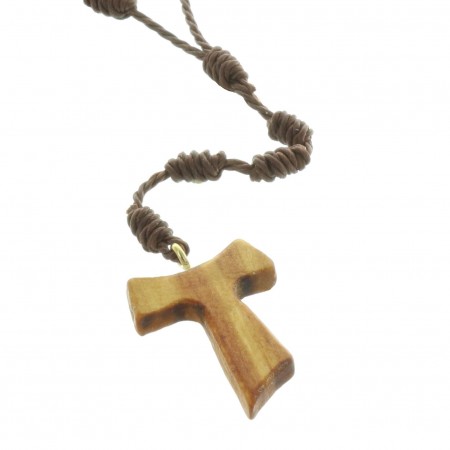
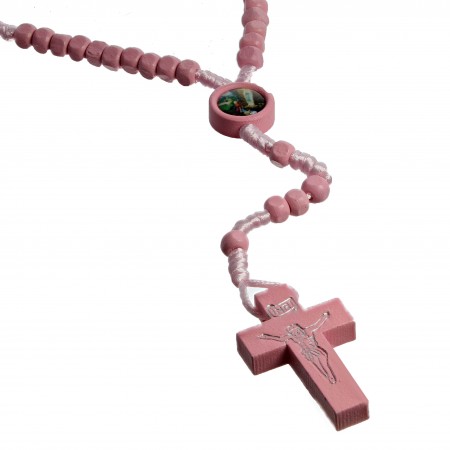
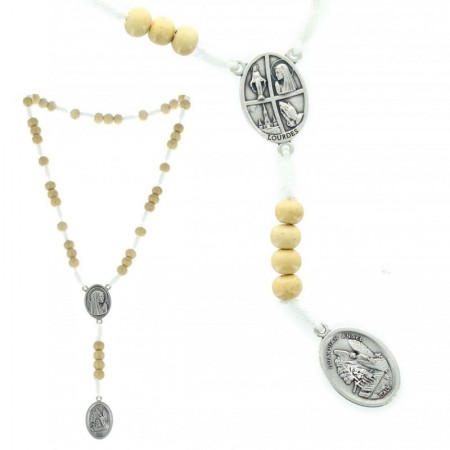
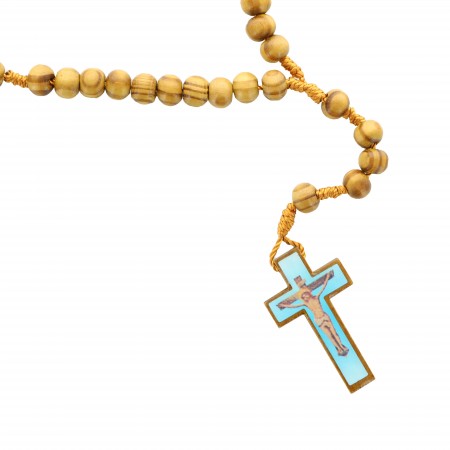
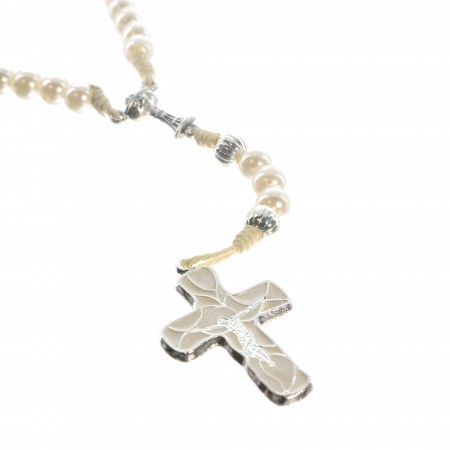
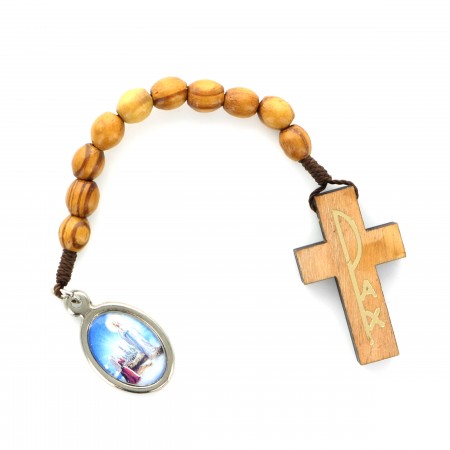
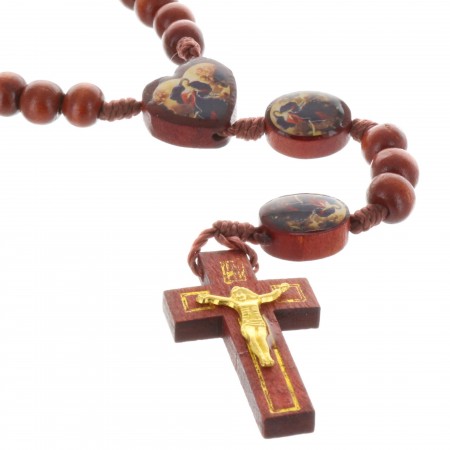
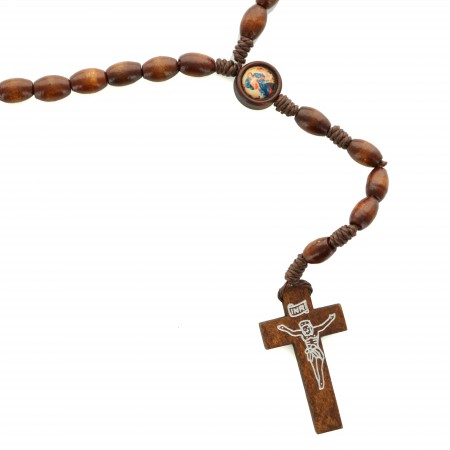
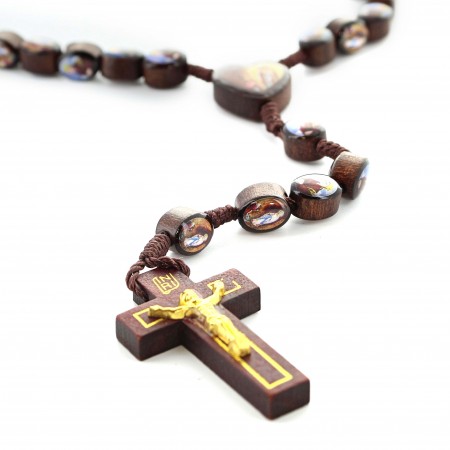
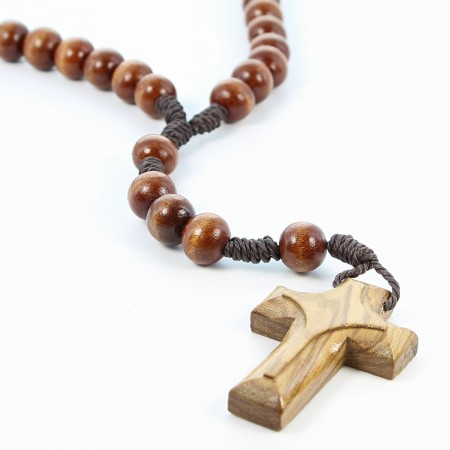
The diversity of materials used for rosaries reflects the richness and variety of Catholic devotion. Beads can be made from rope, symbolising simplicity and nature; wood, evoking the beauty and durability of faith; or precious materials for those seeking a sign of deep devotion. Each material carries a meaning that can resonate differently with each devotee, making the choice of a rosary a personal and spiritual decision.