 Français
 Italiano
 English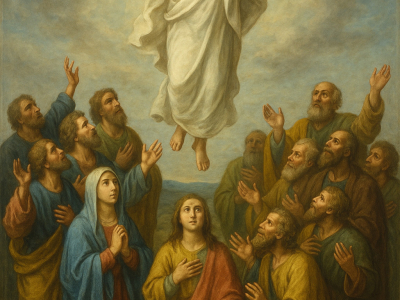

Every year, forty days after Easter, Christians celebrate the Ascension of the Lord. This feast, deeply rooted in the Christian faith, commemorates the moment when Jesus Christ, after his resurrection, ascended into heaven before his apostles. More than just a departure, the Ascension is a glorious act that reveals the mystery of Christ's divinity and paves the way for the mission of the Church. Let's discover together the meaning of this solemnity, its biblical origin, its differences from the Assumption, and ways to live it fully today.
What is Ascension for Christians?
Ascension is the moment when Jesus Christ ascended into heaven after rising from the dead. This event marks the end of his physical presence on Earth and the beginning of a new relationship with his disciples: he will no longer be visible to them, but present in their faith. The Ascension is recounted in several biblical texts, including:
- Acts of the Apostles 1:6-11: ‘He was lifted up while they were watching, and a cloud hid him from their sight.’
- Mark 16:19: ‘The Lord Jesus, after speaking to them, was taken up into heaven and sat down at the right hand of God.’
- Luke 24:50-53: Jesus blessed them, then parted from them and was taken up into heaven.
For Christians, the Ascension means that Jesus, glorified, rejoins the Father and prepares for the coming of the Holy Spirit, celebrated at Pentecost.
What happened during the Ascension?
After his resurrection, Jesus remained with his disciples for forty days. During this time, he taught them, comforted them and sent them on a mission. On the day of the Ascension, he led them to the Mount of Olives, reminded them of their mission to evangelise, and then ascended into heaven. This moment marks Christ's passage from earth to heaven, but also the beginning of the Church's mission.
Two angels then appeared to the apostles to reassure them: ‘This Jesus, who has been taken from you into heaven, will come back in the same way as you have seen him go.’ (Acts 1:11)
The Ascension does not therefore mean the absence of Jesus, but his presence in a different form: in the Spirit, in the Church, in the Eucharist.
What is the meaning of the Ascension?
The feast of the Ascension is an act of faith in Christ's victory over death. It symbolises:
- The glorification of Jesus: he rejoins the Father in heavenly glory.
- Christian hope: where he is, we are called to join him.
- The mission of the Church: Jesus sends his disciples to preach to all nations.
Ascension is a promise: the promise of eternal life, of Jesus' constant presence in our lives, and of the power of the Holy Spirit, the supreme gift he prepares for us at Pentecost.
What is the difference between the Ascension and the Assumption?
These two feasts are often confused, but they concern two different people:
- The Ascension: Jesus ascends to heaven by his own divine power. It is a voluntary and divine action.
- The Assumption: Mary, the mother of Jesus, is taken up into heaven by God. She does not ascend by herself, but is carried by grace.
Ascension Day takes place 40 days after Easter (Thursday), while the Assumption is celebrated on 15 August. The Assumption is not directly recounted in the Bible, but is based on the tradition of the Catholic Church and was declared a dogma in 1950.
The Feast of the Ascension is a liturgical solemnity, meaning it is a major feast day in the Church. It is celebrated with a solemn Mass on Thursday, with specific Bible readings, hymns of praise, and a homily focused on the mission of the apostles.
In some regions, popular traditions include outdoor processions, symbolic ascents of hills, or bells ringing at noon in remembrance of Christ's ascension.
It is also a day for prayer, reflection, and meditation on eternal life.
What religious items can you use to celebrate Ascension Day?
To accompany this feast, you can offer a selection of religious items that nourish the faith on Palais du Rosaire:
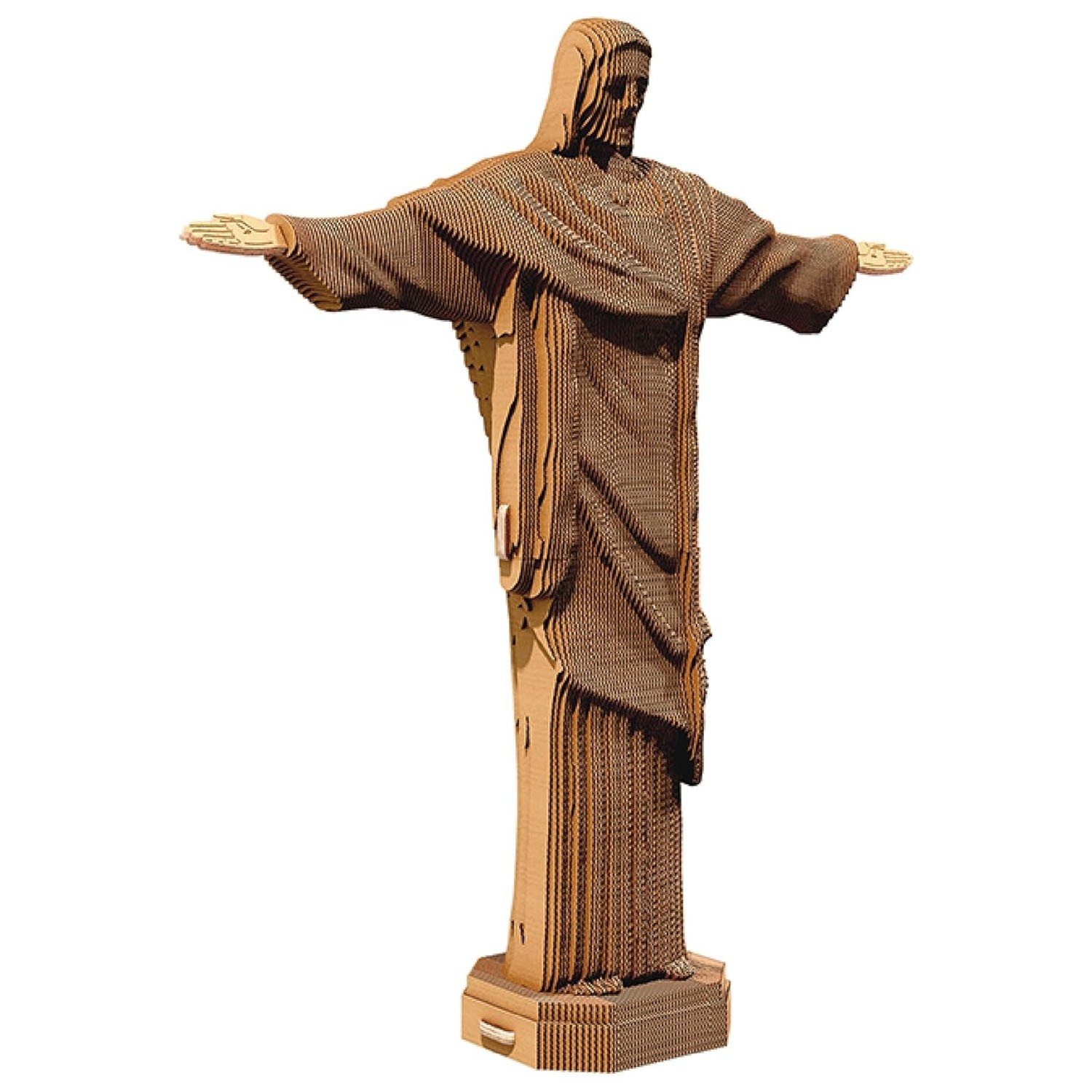
- Crucifix of Christ th Redeemer: symbol of Jesus' victory over death.
- Last Supper of Christ: perfect for meditating on the glorious mysteries, of which the Ascension is the second.
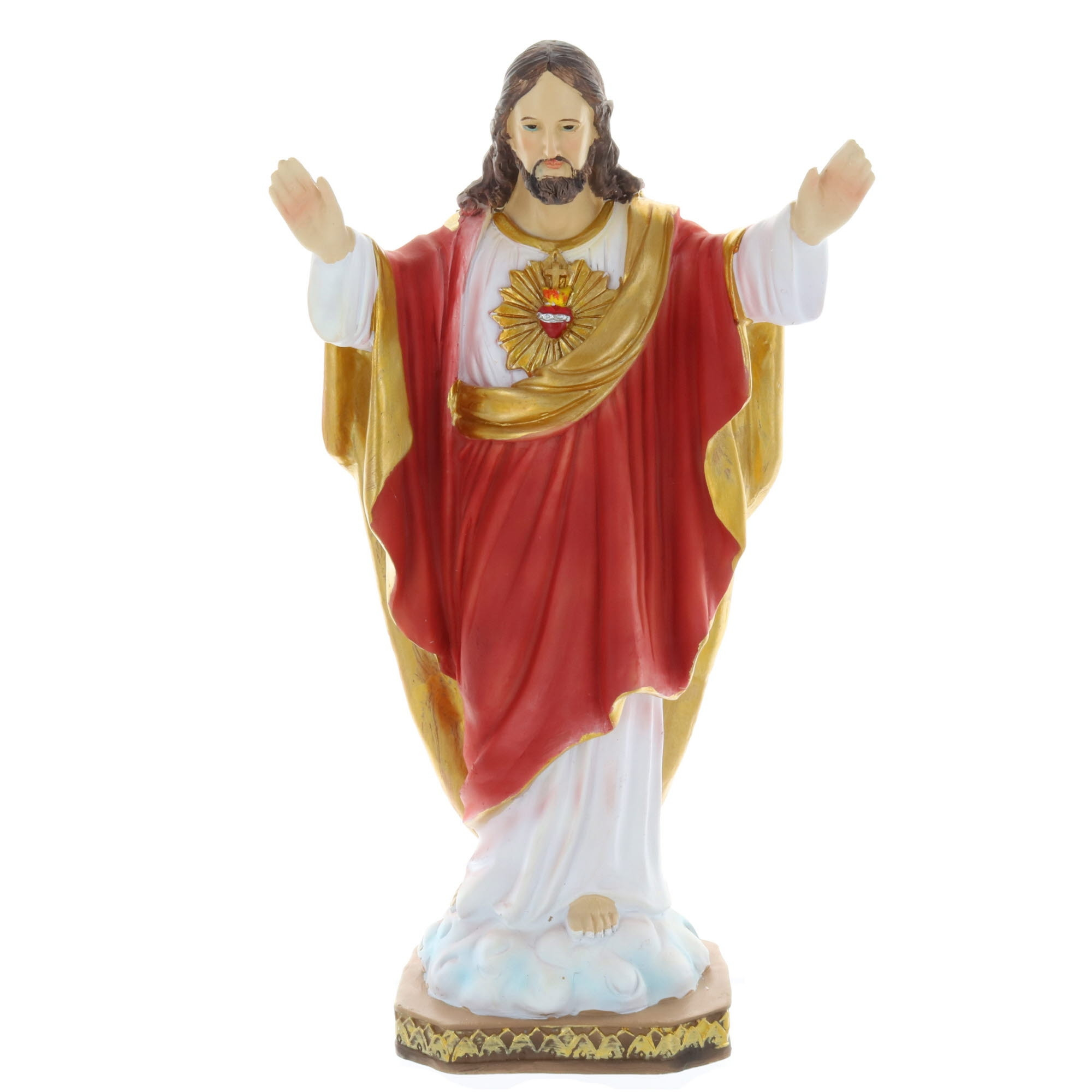
- Decorated statue of christ the Redeemer 30cm: to adorn a prayer corner or family altar.
These items support prayer, teaching children and Christian family traditions.
Prayer for Ascension Day
Lord Jesus,
on this day of your glorious Ascension,
we turn our eyes to heaven,
where you sit at the right hand of the Father.
You do not abandon those who love you,
you prepare a place for us in the Father's house,
and you intercede for us without ceasing.
Give us the strength to believe when you are no longer visible,
to walk in faith, to hope in your promise.
May your Holy Spirit guide and strengthen us,
so that we may be your witnesses to the ends of the earth.
Keep us in your love,
and grant us to join you one day in your eternal glory. Amen.
FAQ - Frequently asked questions about Ascension Day
What is the meaning of Ascension Day?
Ascension Day marks Jesus' ascension to heaven after his resurrection. It is a Christian holiday that celebrates his glorification and the promise of eternal life.
When is Ascension Day celebrated?
Ascension Day is celebrated 40 days after Easter, always on a Thursday. It usually falls between the beginning of May and the beginning of June.
What is the difference between Ascension Day and Assumption Day?
Ascension Day is about Jesus ascending to heaven on his own; Assumption Day is about Mary being taken up to heaven by God. One takes place after Easter, the other on 15 August.
How can we celebrate Ascension Day at home?
You can pray, read biblical texts, meditate on a glorious mystery of the rosary, and light a candle in front of an icon of the risen Christ.
 Preparations for Pope Leo XIV’s visit to Lourdes in 2026
  Torchlight Procession in Lourdes - A moment of Prayer and Light
  The Popes at Lourdes: from John Paul II to Leo XIV’s visit in 2026
  Biblical first names: meanings and ideas for girls and boys in 2026
  What is the Assumption?