 Français
 Italiano
 English

Introduction: A common question among believers... and the curious!
When you want to read the Word of God, one question often comes up: which Bible should you choose? Between the Catholic Bible and the Protestant Bible, it can be difficult to know where to start. This article will help you understand the differences between a Catholic Bible and a Protestant Bible, so you can make a more informed choice about your reading or spiritual purchase.
To learn more, discover our Catholic Bibles and our Protestant Bibles.
What is a Bible?
The word Bible comes from the Greek biblion, which means ‘books’. In fact, the Bible is not a single book, but a collection of inspired texts divided into two main parts: the Old Testament and the New Testament. It is the sacred book of the Christian faith.
The Bible is considered to be the Word of God, transmitted to humanity by inspired authors. It contains historical accounts, laws, psalms, prophecies, parables and letters.
All Christians, whether Catholic or Protestant, refer to the Bible as an essential source of their faith. What distinguishes the Catholic Bible from the Protestant Bible is not its nature, but its composition, annotations and use in spiritual life.
The purpose of the Bible is to proclaim the message of salvation, to reveal God's love for humanity, and to guide believers in their daily lives. It forms the doctrinal basis of the entire Christian faith.
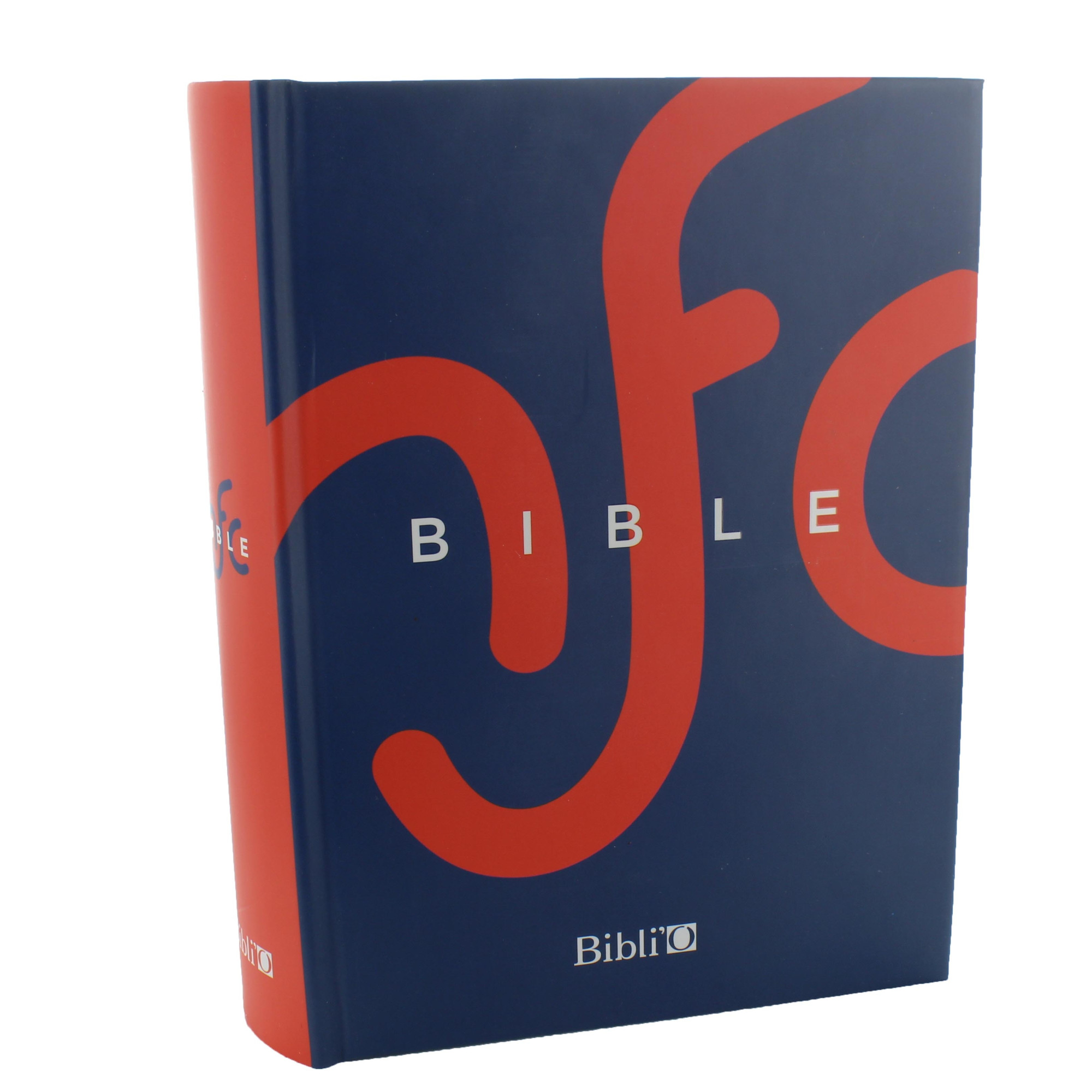
Here is an excellent Catholic Bible for beginners, ideal for easy and fluid reading: ? New English Bible - 14 cm
At this point, it is important to note that Catholic and Protestant Bibles have a common structure, but with key differences that we will explore in the next section.

The main difference: the number of books in the Old Testament
One of the fundamental differences between a Catholic Bible and a Protestant Bible lies in the number of books contained in the Old Testament. The Catholic Bible has 46 books in the Old Testament, while the Protestant Bible has only 39. This difference stems from whether or not the deuterocanonical books are recognised.
Where does this difference come from?
In the early days of Christianity, the Old Testament was mainly based on the Greek translation of the Hebrew Bible called the Septuagint. This version contained several additional books that were not found in the Masoretic Hebrew version.
These books were preserved in the Catholic tradition and are called deuterocanonical. They include, for example:
- Tobit
- Judith
- Wisdom
- Sirach (or Ecclesiasticus)
- Baruch
- 1 and 2 Maccabees
During the Protestant Reformation in the 16th century, Martin Luther decided to base his Bible solely on the Hebrew version of the Jewish canon, thus excluding these seven books. Since then, the Protestant Bible no longer contains them.
What exactly are the deuterocanonical books?
The word ‘deuterocanonical’ literally means "belonging to the second canon ". These books are recognised as inspired by the Catholic Church but rejected in the Protestant tradition. They contain stories of faith, resistance to oppression, prayer and wisdom.
They occupy an important place in the Catholic faith because they reflect values of fidelity to God, spiritual courage and hope.p>
Comparison table
| Elements | Catholic Bible | Protestant Bible |
|---|---|---|
| Total number of books | 73 | 66 |
| Books in the Old Testament | 46 | 39 |
| Presence of deuterocanonical books | ✅ Yes | ❌ No |
Recommended reading
For readers who want a complete experience in keeping with Catholic tradition, we recommend:
For a Protestant reading faithful to the Hebrew canon, discover:
This difference in content directly impacts how each tradition approaches certain stories and teachings. However, it does not change the central message of faith and salvation contained in the Word of God.
The most common translations
In addition to the number of books, another important difference between the Catholic Bible and the Protestant Bible lies in the translations used. Each tradition has developed its own versions of the Bible, with different literary styles, explanatory notes and specific theological objectives.
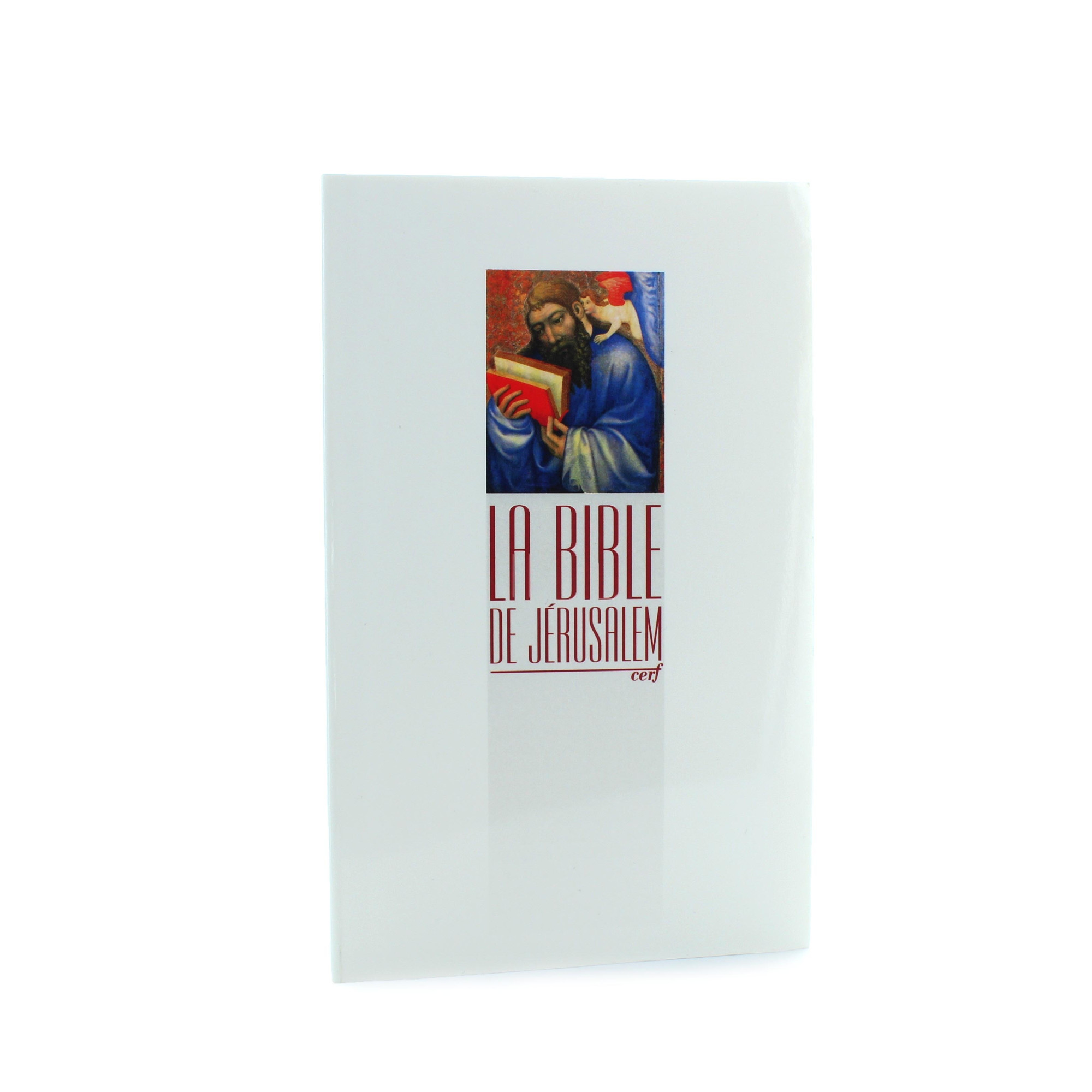
- The Jerusalem Bible – Translation produced by Dominican Catholic exegetes. Highly regarded for its literary quality and explanatory notes. See the compact Jerusalem Bible
- The TOB (Ecumenical Translation of the Bible) – A collaborative translation between Catholics, Protestants and Orthodox Christians. Recommended for interfaith readings. ? Discover the TOB 18 cm
- The Official Liturgical Translation – Used for Mass and liturgical texts. ? See the Liturgical Bible
The most popular Protestant translations
- Louis Segond (1910) – Classic Protestant translation, widely used in Evangelical churches. Découvrir la Segond 1910
- Segond 21 – Modern version of the Segond, with more accessible vocabulary. See the Segond 21 in large print
- Darby Bible or NEG (New Geneva Edition) – Appreciated for their fidelity to the original Hebrew and Greek texts. See the Thompson Bible
Which is the best translation?
There is no single ‘best’ translation, but rather versions suited to different traditions, levels of understanding or uses:
- For in-depth study: TOB, Thompson, Jerusalem
- For liturgical reading: Official Liturgical Translation
- For fluent personal reading: New French Courant, Segond 21
Suggestions for Bibles to buy according to your needs
✅ For clear and accessible Catholic reading:
✅ For Protestant beginners or young people:
Whatever you choose, the important thing is to read a version that speaks to you, respects your faith, and helps you grow in your relationship with God.

Differences in liturgical and spiritual use
Beyond the number of books and translations, another major difference between the Catholic Bible and the Protestant Bible lies in the way they are used in spiritual and community life.
Liturgical use among Catholics
In the Catholic tradition, the Bible is at the heart of the liturgy. It is proclaimed every day during Mass, according to a three-year liturgical cycle. The faithful hear:
- A reading from the Old Testament
- A psalm
- An epistle (New Testament)
- The Gospel of the day
The interpretation of the Bible is guided by the Magisterium of the Church (the Pope and the bishops) and is based on tradition. The texts are read in a spirit of community, often accompanied by a homily to explain them.
Liturgical Bibles are therefore often annotated according to the reading calendar and integrated into other liturgical books. Recommended example: Catholic Bible – Official Liturgical Translation
Meditative use among Protestants
In the Protestant tradition, the Bible is often read in a personal, daily setting. This is referred to as Sola Scriptura: the Bible alone is the authority.
The faithful are encouraged to:
- Read the Bible every day
- Take notes, highlight, meditate
- Share in a group around a text
- Apply the teachings to their personal lives
Protestant Bibles are therefore often without liturgical notes, but sometimes with spiritual or contextual commentaries, adapted for individual Bible study. Recommended examples:
Should you choose a Bible with or without commentary?
It depends on how you plan to use it! Here are a few tips:
- For beginners: A Bible with commentary is very useful for understanding difficult passages.
- For prayer: A simple Bible without annotations allows for a more fluid and meditative reading.
- For theological studies: Choose a version enriched with historical and linguistic notes.
For example, discover this Catholic Bible with verse-by-verse explanations, perfect for growing in your faith.p>
In summary, Catholic Bibles often accompany the liturgical life of the Church, while Protestant Bibles favour personal and independent reading. Two approaches, one desire: to grow in the Word of God.
How to choose a Bible?
Whether you are a practising believer, a new convert, curious or a theology student, choosing a Bible can seem complicated. Here is a guide to help you select the Catholic Bible or Protestant Bible that is right for you.
Some questions to ask yourself before buying:
- Do you want a Bible for liturgical use, personal reading or in-depth study?
- Do you prefer an annotated or unannotated version?
- Do you need a pocket edition, large print edition, or children's edition?
- Are you Catholic, Protestant, or on a spiritual journey?
Comparison table: Catholic Bible vs Protestant Bible
| Criterion | Catholic Bible | Protestant Bible |
|---|---|---|
| Number of books | 73 (including the deuterocanonical books) | 66 (excluding the deuterocanonical books) |
| Liturgical use | Yes | No (mainly for personal use) |
| Popular translations | TOB, Jerusalem, Liturgical | Louis Segond, Segond 21, NEG |
| Recommended reading | In parish, catechesis, meditation | Individual, study group |
Our recommendations according to your profile:
You are new to the faith:
- New English Bible – 14 cm: simple, fluid and perfect for beginners
- Protestant Bible for young people: a dynamic and illustrated approach
⛪ Looking for a liturgical Bible:
- Official Liturgical Bible: used during Catholic Masses
- Jerusalem Bible in paperback: highly respected in liturgy
Want to learn more?
- The Bible Explained – Verse by Verse: ideal for Catholic study
- Thompson Bible: a very popular study tool among Protestants
Need large print or a convenient format?
- NFC Bible in large print: perfect for sensitive eyes
- Travel edition Bible: practical and durable
To make your choice easier, we have put together a selection of our best Bibles:
See our Protestant and Catholic Bibles
Choosing a Bible means choosing a companion for your journey of faith. Take the time to select the one that will nourish your heart and mind every day.
Prayer for guidance in reading the Word of God
Lord, you are the Light of the world,
open my mind and heart to your living Word.
May the sacred Scriptures become for me
a source of wisdom, peace and transformation.
Give me the humility to listen, the discernment to understand,
and the strength to put into practice what you teach me.
May your Spirit accompany me on every page,
enlighten the mysteries, reveal your will, and strengthen my faith.
May your Word nourish me as daily bread,
console me in my trials and enlighten me in my choices.
Lord, make me a faithful witness of your love,
an attentive reader, an awakened heart, an open soul.
May each reading be an encounter with You,
a silent prayer, a path of communion.
Amen.
❓ FAQ
</p
Can a Catholic read a Protestant Bible?
Yes, a Catholic can certainly read a Protestant Bible, but it is advisable to bear in mind that some books (called deuterocanonical books) are not included. For a complete reading, it is better to turn to a complete Catholic Bible for a complete reading.
Which version of the Bible is used by Protestants?
Protestants generally use translations such as the Louis Segond, the Segond 21, the Darby Bible or the New Geneva Edition. These versions are renowned for their fidelity to the Hebrew and Greek texts. ? See the Segond 1910.
How do I know if I have a Catholic or Protestant Bible?
Check the number of books. A Catholic Bible contains 73 books (Old and New Testaments), while a Protestant Bible contains 66. Books such as Tobit, Judith, or 1 Maccabees indicate a Catholic edition.
Are Catholic and Protestant Bibles the same?
No, they differ. They share the same New Testament, but the Old Testament differs in the number of books. The Catholic Bible contains the deuterocanonical books that the Protestant Bible does not include.
Why are there multiple Bibles?
There are several Bibles because of different Christian traditions (Catholic, Protestant, Orthodox), various translations, and choices regarding which books are recognised as inspired (the biblical canon).
Conclusion: One Word, many ways to read it
Whether you are Catholic or Protestant, the important thing is to read the Bible with faith. What unites us is Jesus Christ, who is at the centre of this Word. May your reading strengthen your faith every day.
 Preparations for Pope Leo XIV’s visit to Lourdes in 2026
  Torchlight Procession in Lourdes - A moment of Prayer and Light
  The Popes at Lourdes: from John Paul II to Leo XIV’s visit in 2026
  Biblical first names: meanings and ideas for girls and boys in 2026
  What is the Assumption?